The Lagos State Chapter of the Nigeria Democratic Congress (NDC) has accused the ruling All Progressives Congress (APC) of engaging in widespread violations of Nigeria’s electoral laws through what it described as premature campaign activities across Lagos State.
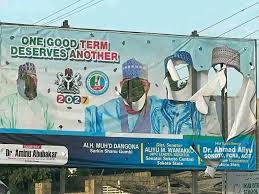
In a press statement issued on Wednesday, the opposition party alleged that APC posters, branded buses, billboards, and banners had flooded major parts of Lagos, including Lagos Island, Lagos Mainland, Apapa, Ikorodu, Kosofe, Agege, Ifako-Ijaiye, Epe, Ibeju-Lekki, Shomolu, and Alimosho.
According to the NDC, the displays amount to “premeditated lawlessness” and a direct breach of Section 94(1) of the Electoral Act 2022, which stipulates that public campaigning may only commence 150 days before polling day and must end 24 hours before elections.
The party noted that, based on the timetable released by the Independent National Electoral Commission (INEC), campaigns for the 2027 Presidential and National Assembly elections are scheduled to begin on August 19, 2026, while Governorship and State Assembly campaigns are expected to commence on September 9, 2026.
“We are still in May, and these timelines have not begun,” the statement read.
The NDC further argued that the alleged actions violate relevant INEC regulations as well as provisions of the 1999 Constitution, which guarantee equality before the law and the conduct of free and fair elections.
The party criticized what it described as the “selective application of the law,” warning that the continued disregard for electoral regulations could undermine democratic institutions and public confidence in the electoral process.
It also expressed disappointment in the APC-led administration, stating that “no party or individual, not even the President and Commander-in-Chief, is above the law.”
The NDC called on INEC to immediately investigate the alleged violations across Lagos State, order the removal of all campaign materials deemed illegal, and impose sanctions where necessary.
The party also urged civil society groups, the media, and Nigerians to resist what it termed a growing culture of impunity in the country’s political system.
Alert Global